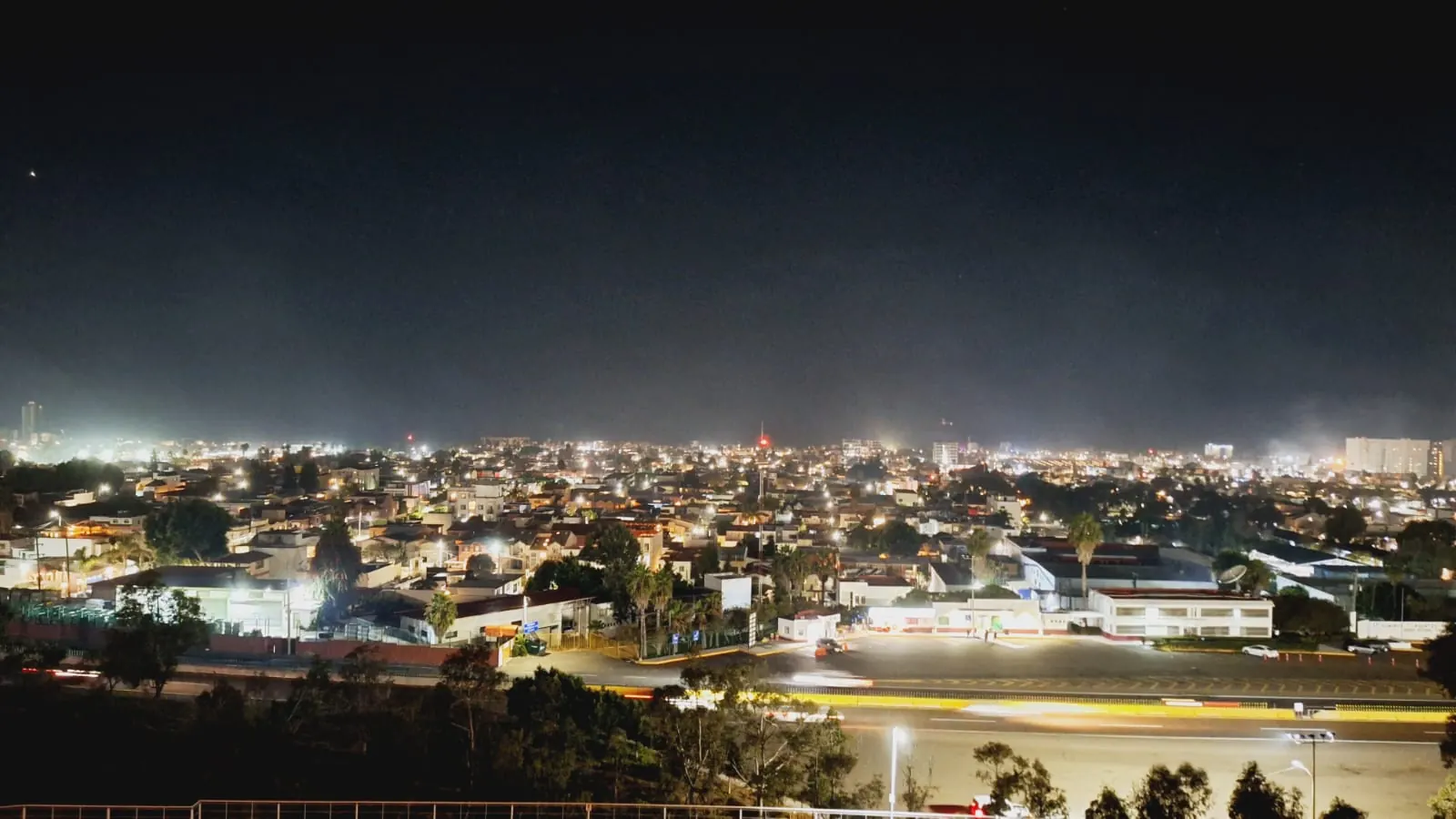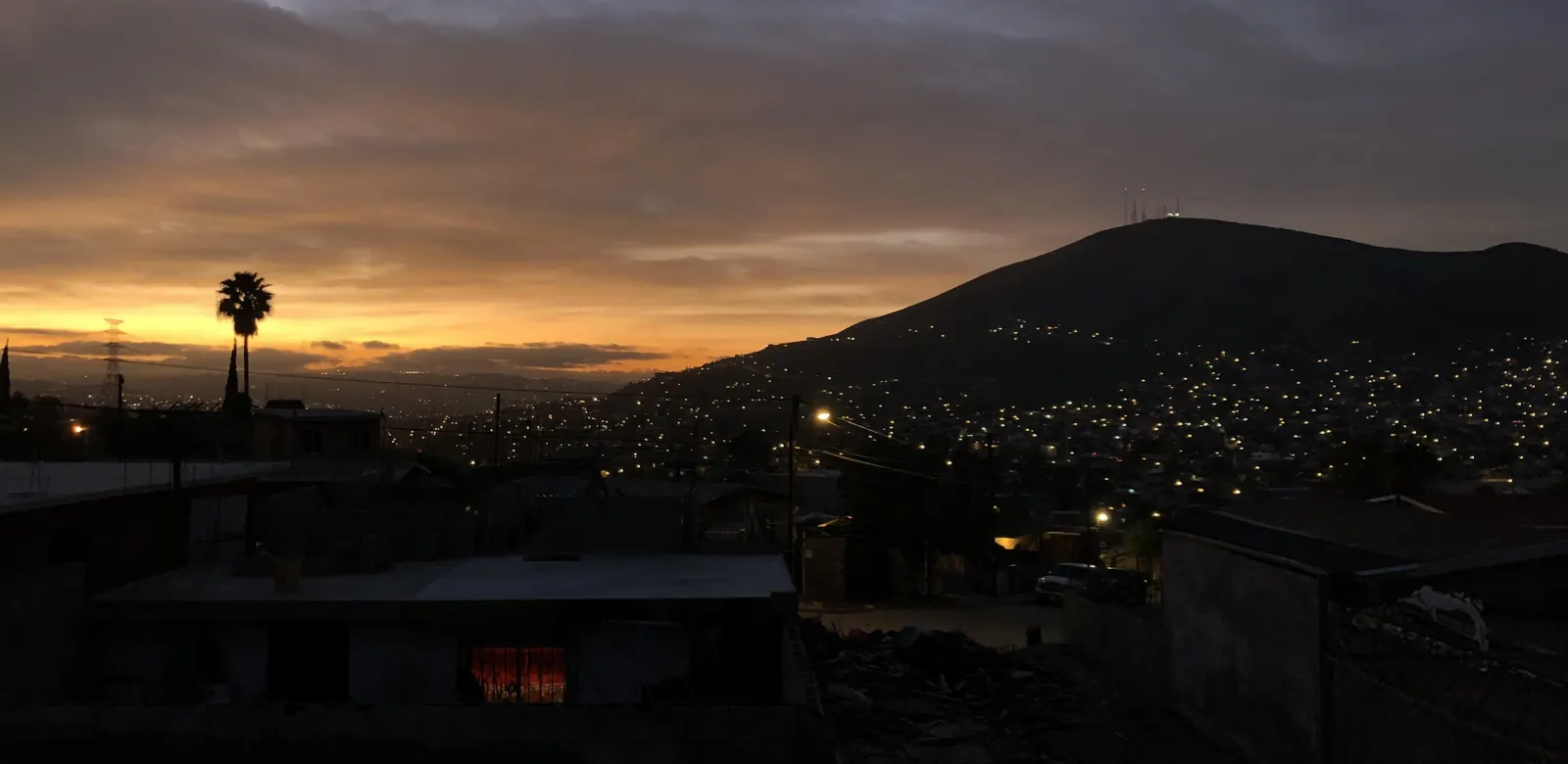
The city's story
Tijuana
From ranchería to ranch, from ranch to border town, and from town to a city of almost two million. That's how Tijuana was made, and how it got its name.
What's documented comes with sources. What's legend, we say so.
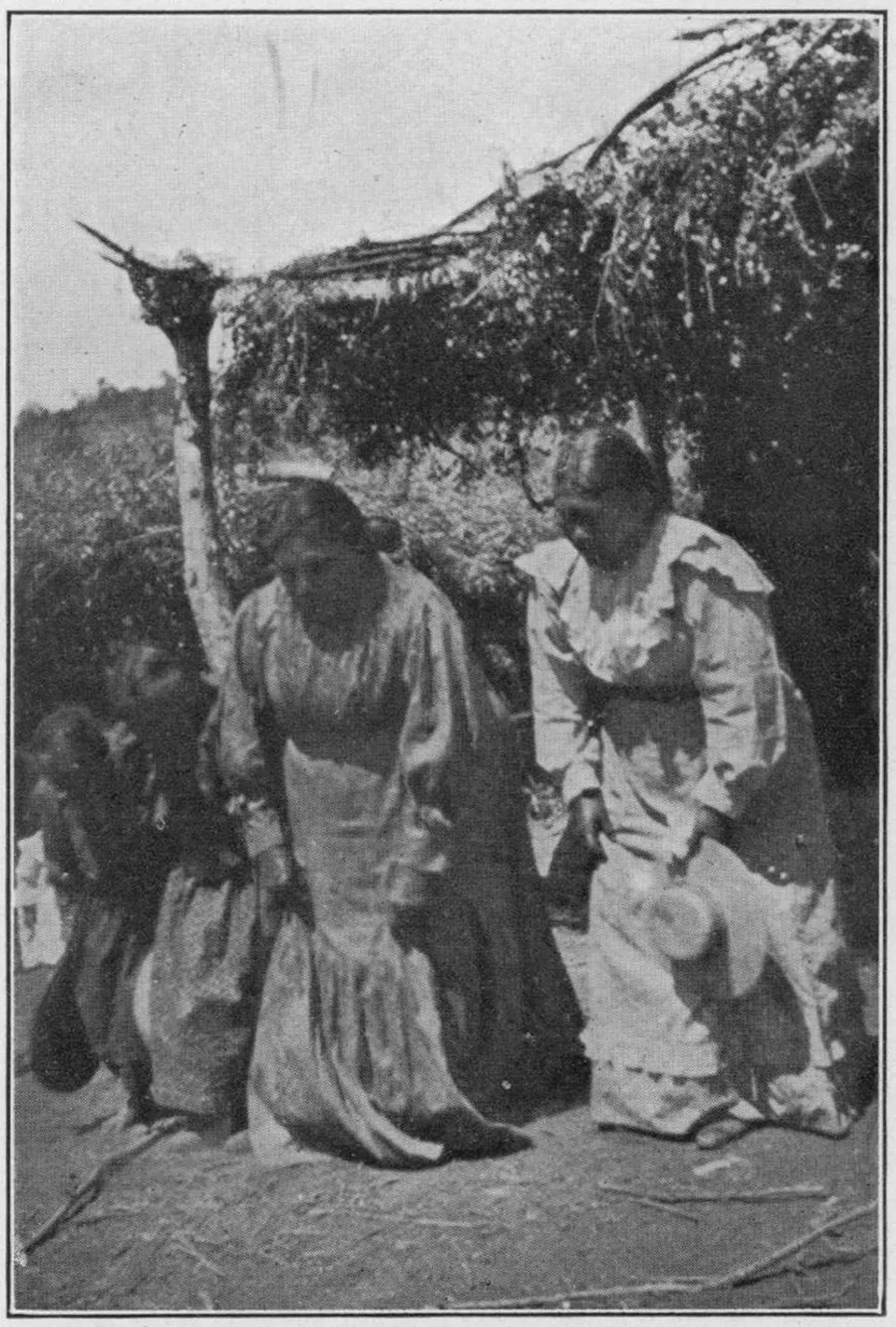
Kumeyaay women dancing, around 1910. Photo: Thomas Talbot Waterman · Public domain Before everything
Kumeyaay land
Long before any ranch or border gate, this land belonged to the Kumeyaay, an Indigenous people who have lived for centuries between the coast, the valleys and the mountains of what is now Baja California and Southern California.
The border came later. Today there are Kumeyaay communities on both sides.
Sources: Wikipedia, «Kumeyaay»
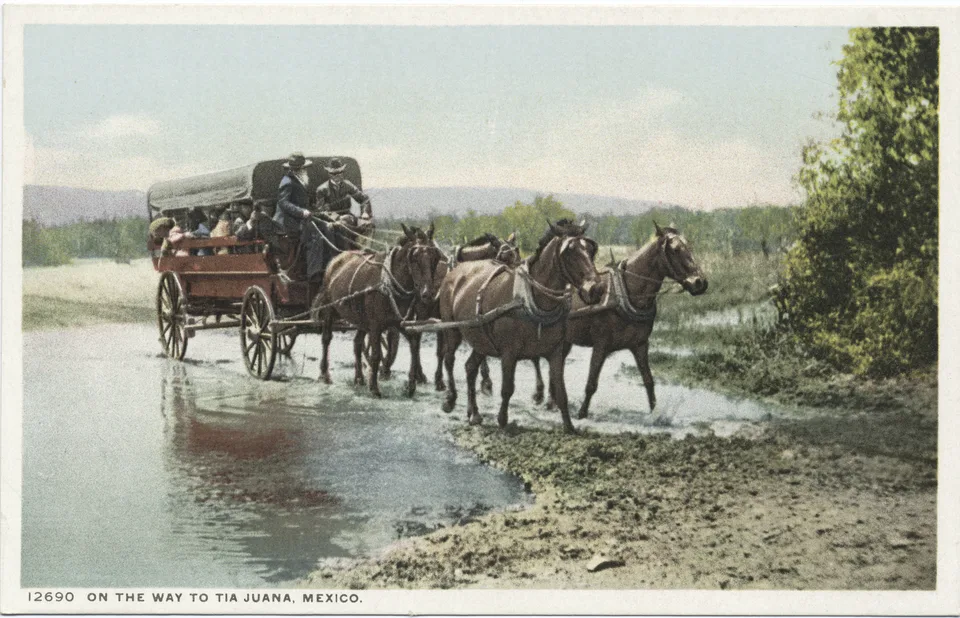
“On the Way to Tia Juana, Mexico”: the road to Tijuana on an old postcard. Context, not a portrait of Tía Juana. Photo: Detroit Publishing Co. · New York Public Library · Public domain 1809 · 1829
Where does the name come from?
The most-told version is about a Tía Juana (Aunt Jane) who fed and lodged travelers. Nice story, but nobody has found her in the archives: it's a legend.
What is on record: “ranchería de tía Juana” in 1809 and Rancho de Tía Juana in 1829. Many historians think the word comes from a Kumeyaay term (“Tiwan” has been proposed); its exact meaning is still debated.
Sources: David Piñera, «Historia mínima de Tijuana», Ayuntamiento de Tijuana · AFN, 2019 (Archivo Histórico de Tijuana) · Wikipedia, «Tijuana»
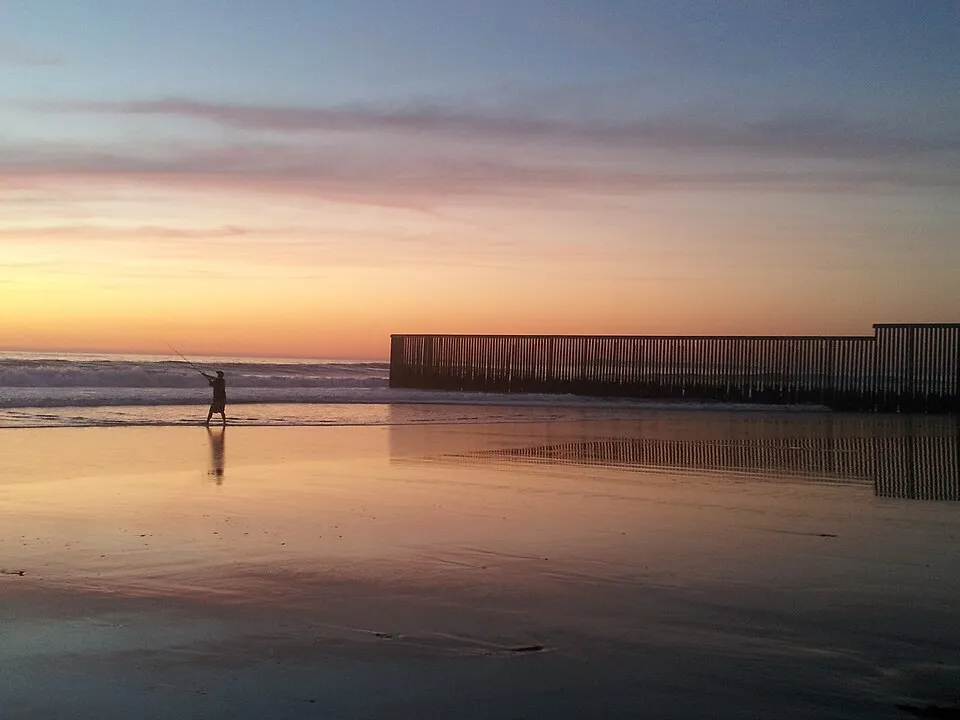
The border where it runs into the ocean, at Playas de Tijuana (2012). Photo: Eekiv · CC BY-SA 3.0 1829 · 1848
The ranch and the border
In 1829 Governor José María de Echeandía granted Santiago Argüello a large piece of land: Rancho Tía Juana, about 100 km² (40 sq mi).
In 1848, when the Mexican–American War ended, the new border landed just north of the ranch. Tijuana stayed on the Mexican side, right at the country's edge. The border has been part of daily life ever since.
Sources: Wikipedia, «Tijuana» · Wikipedia, «Timeline of Tijuana»
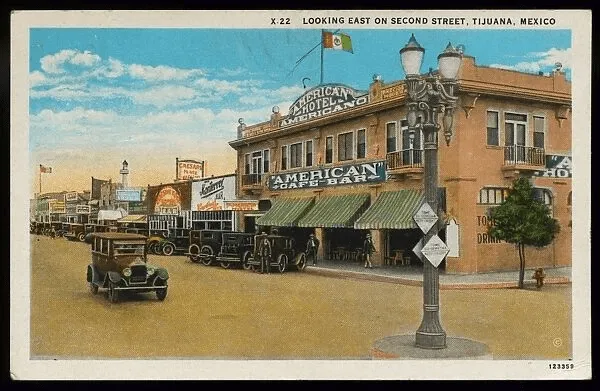
Second Street looking east, on a 1920s postcard. Photo: Western Publishing & Novelty Co. · Public domain July 11, 1889
A map made it a city
Santiago Argüello's heirs divided the old ranch and commissioned the first town plan, drawn by engineer Ricardo Orozco. The plan proposed calling the town “Zaragoza”… but people kept calling it Tijuana.
That date, July 11, 1889, is celebrated as the city's founding. In 1900, 243 people lived here.
Sources: El Imparcial, «Un plano que da origen a Tijuana», 11 de julio de 2026 · Wikipedia, «Tijuana» · Wikipedia, «Timeline of Tijuana»
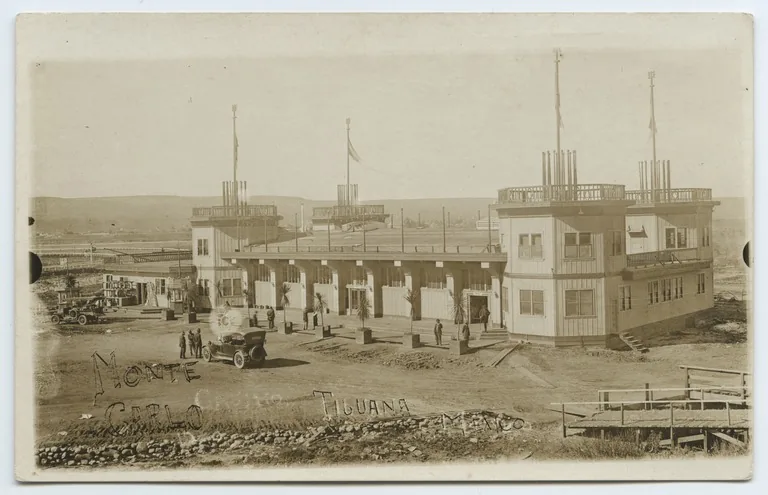
The Monte Carlo casino, on a photographic postcard. Photo: Tijuana Photograph Postcard Collection, UC San Diego Library · Public domain (US) 1915 · 1916
A fair, a casino and horses
In 1915 Tijuana put on its Feria Típica Mexicana to pull in the crowds visiting San Diego's Panama–California Exposition. The Monte Carlo casino was born there.
In 1916 the racetrack opened by the river. Visitors from the north were here to stay.
Sources: Wikipedia, «Tijuana» · Wikipedia, «Timeline of Tijuana»
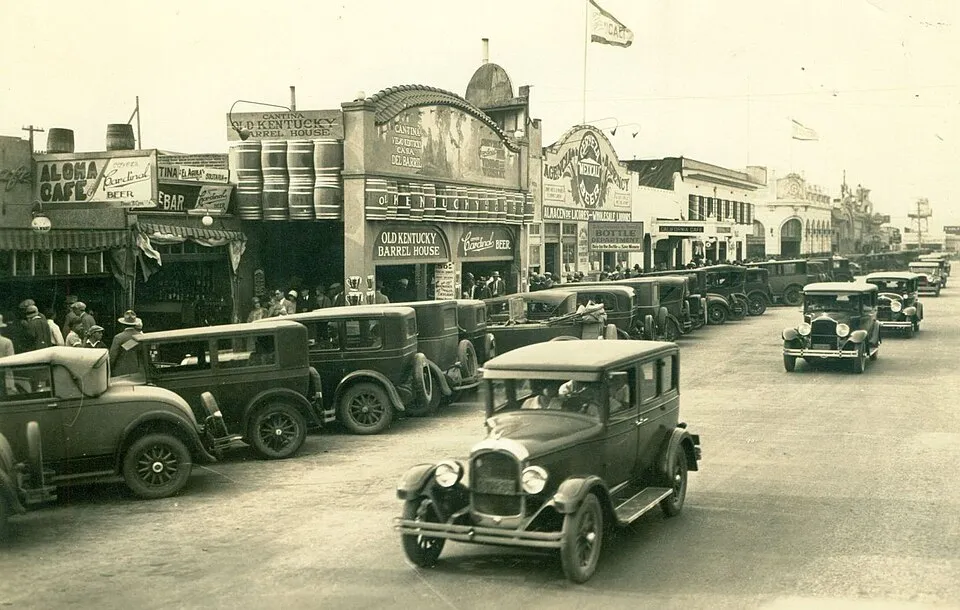
Tijuana in the 1920s: cars from the north parked outside the cantinas. Photo: Unknown · Public domain The 1920s
Prohibition
When the United States banned alcohol (1920–1933), you could drink and gamble here legally. Visitors from the north arrived by the thousands: cantinas, casinos and the main street, today's Avenida Revolución, going full blast.
Sources: Wikipedia, «Tijuana»
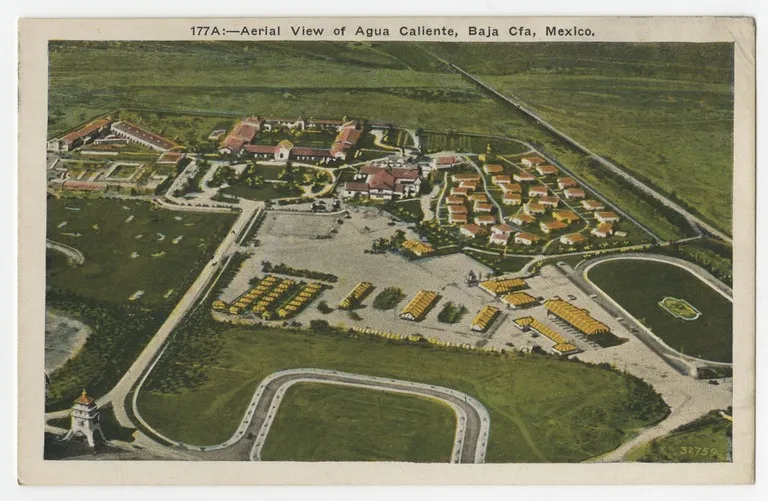
Aerial view of the Agua Caliente casino. Photo: M. Kashower Co. · CC BY-SA 4.0 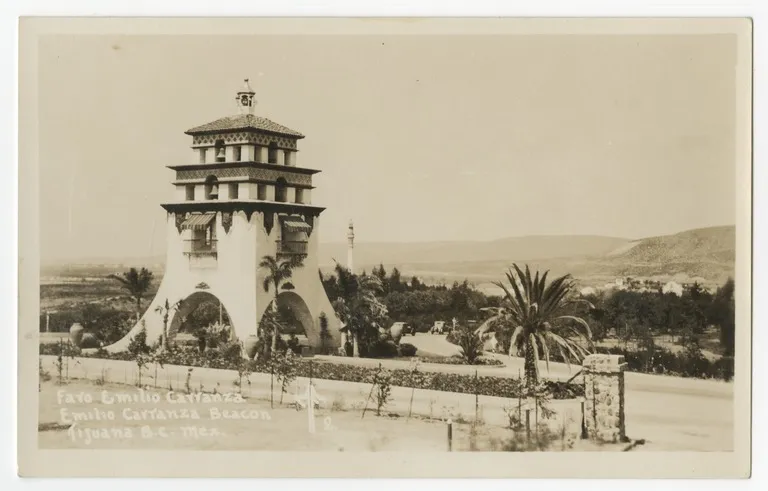
The national road, right at the casino's entrance. Photo: M. Kashower Co. · CC BY-SA 4.0 1928 · 1935
Agua Caliente
In 1928 the Agua Caliente resort opened: hotel, spa, casino and, from 1929, a racetrack. Hollywood stars came down for the weekend.
In 1935 President Lázaro Cárdenas banned casinos in Baja California, and the casino closed. Its full story is in Legendary Tijuas.
Sources: Wikipedia, «Tijuana» · Wikipedia, «Timeline of Tijuana»
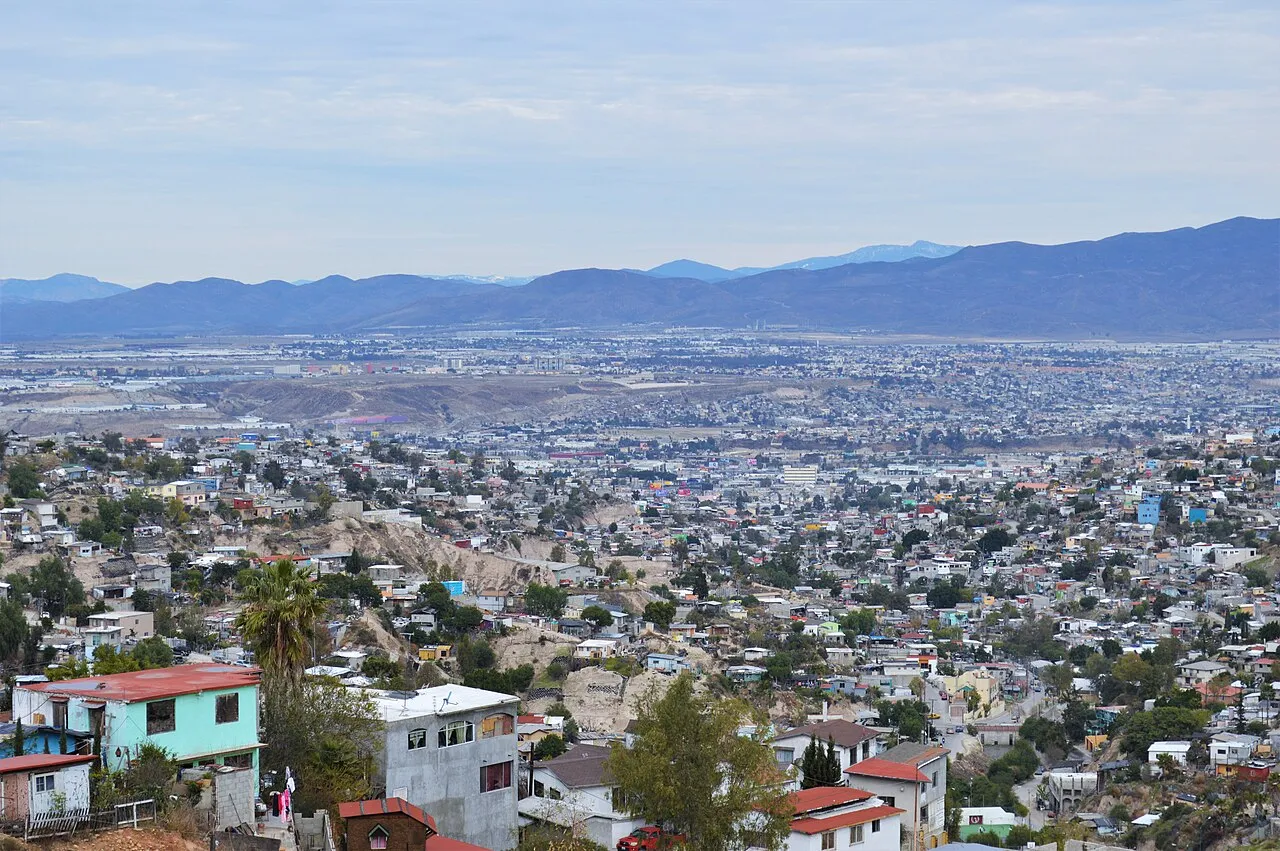
Tijuana from Sánchez Taboada (2021). Photo: Chiko elektriko · CC BY-SA 4.0 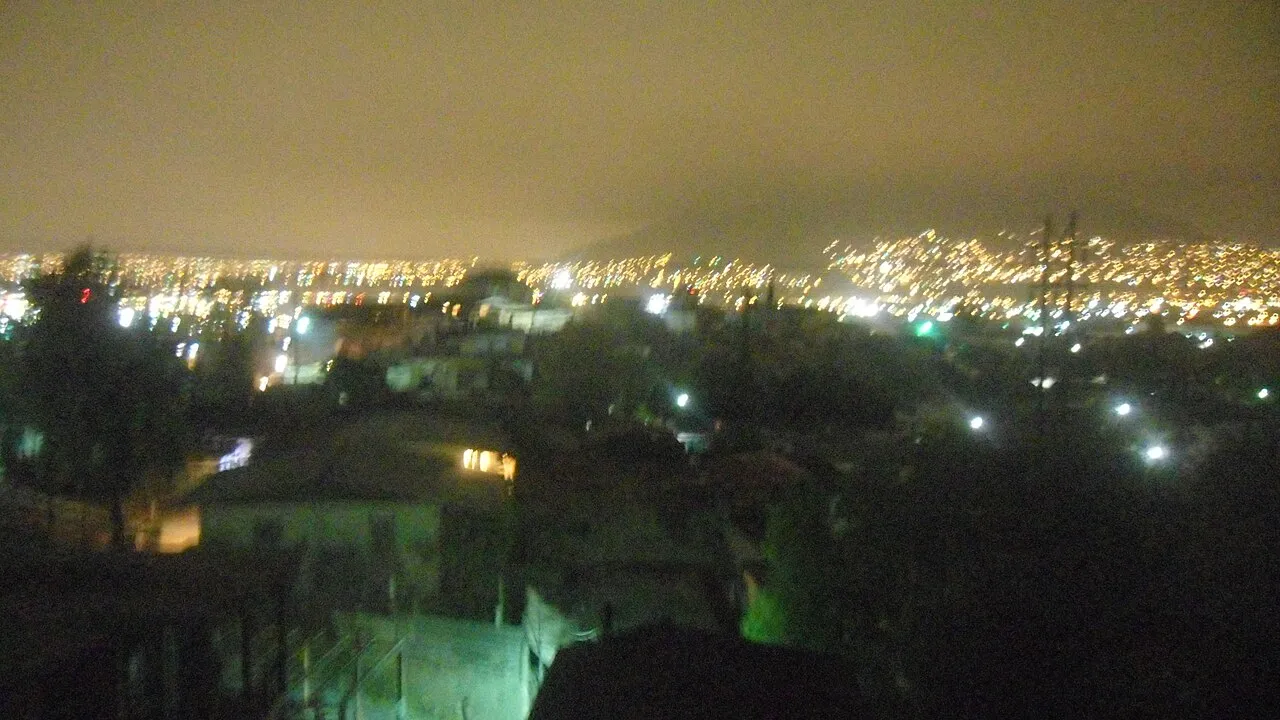
Tijuas at night. Photo: vhbtt · CC BY-SA 3.0 Today
From 243 to almost two million
Tijuana grew with people from all over Mexico and half the world. The 2020 census counted 1,922,523 people in the municipality. The Tijuana Cultural Center opened in 1982, the Xolos were born in 2007, and hundreds of thousands of people cross at San Ysidro every day.
Ranch, town, city. And for the locals, always: Tijuas.
Sources: Wikipedia, «Tijuana» · Wikipedia, «Timeline of Tijuana» · El Imparcial, 11 de julio de 2026
Keep going: De Tijuana a Tijuas → Legendary Tijuas → The Tía Juana legend →
Know the story or lived it?
Got a photo, a story or the name of someone who left a mark on Tijuas? Let it out, carnal. This city's memory is carried by its people too.